+ modifiers, positions, ratios, recreation guide
Upload any portrait — yours, a magazine cover, an inspiration shot. The AI reverse-engineers the lighting setup: key + fill + rim, modifier types, exact positions, ratios, color temperatures, camera settings, and a step-by-step recreation guide. So you can light it for real.


Every working photographer has saved hundreds of references they can't decode. Single key, dual gels, soft + rim, butterfly + fill — looks similar, lit different. Guessing at modifiers and ratios off a thumbnail eats hours and rarely lands.
Lighting Decoder ends that. Drop the portrait in, and 12 seconds later you're holding the full setup — pattern, ratio, per-light modifier + position + temp, camera settings, recreation guide.
The classic portrait-lighting taxonomy isn't optional vocabulary, it's the vocabulary you direct your assistant in. Decoder names the pattern, calls the key-to-fill ratio, and tells you whether the shadow's coming off a triangle on the cheek or just a hard nose-spill.
Each light gets its own row: type (octabox, beauty dish, strip, parabolic, bare bulb, gel), azimuth + elevation relative to subject, working distance, color temperature in kelvin, and the visual evidence the analyzer used to make the call. The deduction is shown next to every claim.
Likely camera settings (ISO, aperture, shutter, focal length), exposure rationale, and a numbered build order for the lights. Plus a post-processing recipe for the look — what to dodge, where to crush black, the white-balance shift to match.
A live 3D scene shows the subject, the modifiers, and the camera in their estimated positions. Drag to orbit, scroll to zoom, see exactly where the key sits at the moment you can't read the catchlight. Print-friendly when you need to brief an assistant.
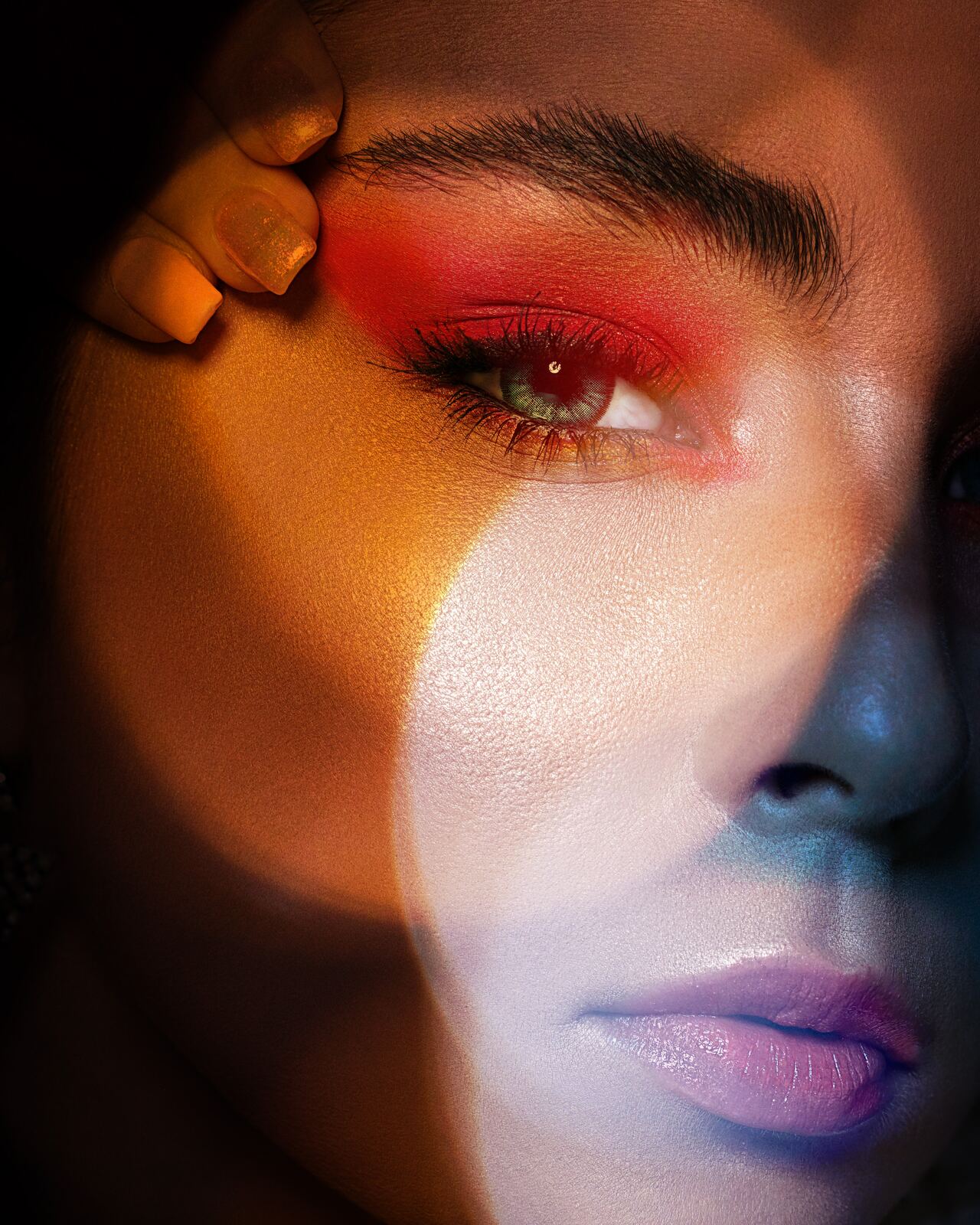
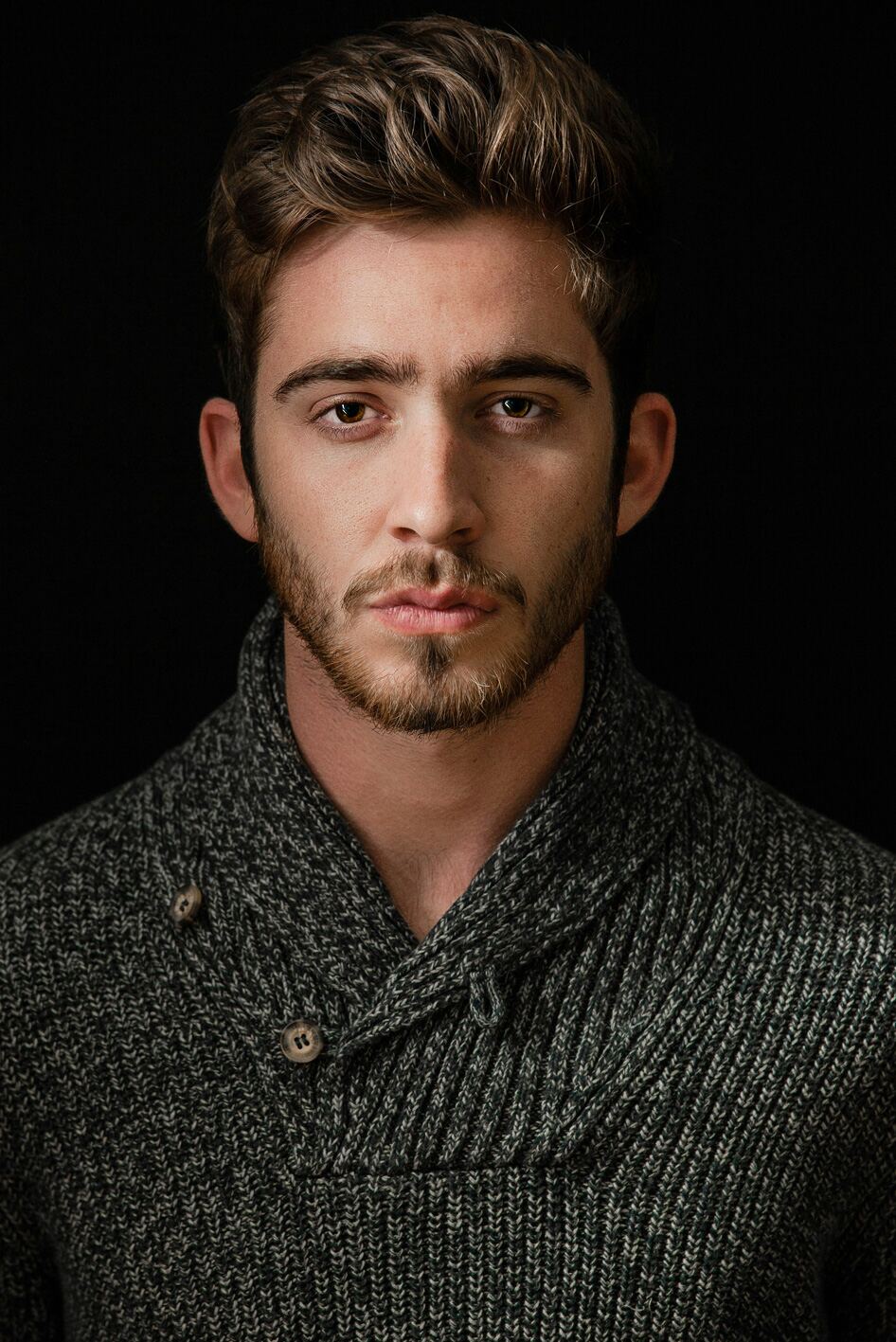
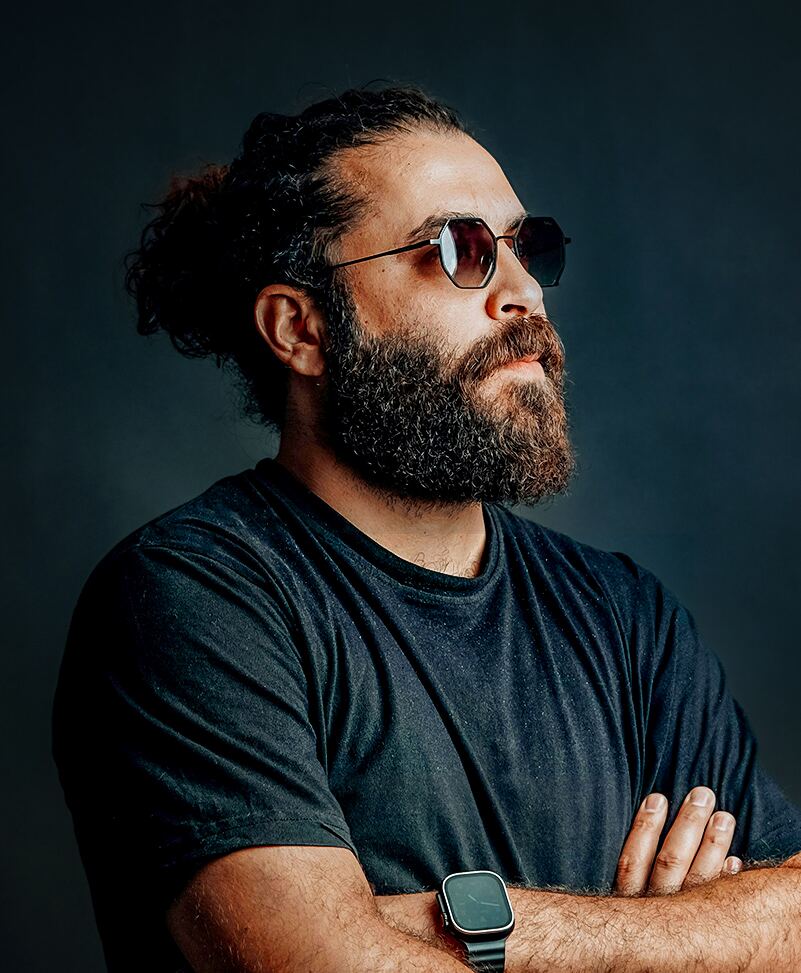
Each card below is a real Lighting Decoder run. Click to open the analysis — pattern, per-light modifier + position, 3D scene, camera settings, recreation guide.
50 portrait lighting breakdowns every period — full pattern, per-light modifiers, recreation guide, 3D scene. Pick the cadence that fits how often you study or recreate lighting.
Or try 2 free analyses without a card → start trial
On studio portraits with clear catchlights and well-defined shadows, expect 85-95% accuracy on the major lights (key + fill) and modifier types. Complex multi-light setups with overlapping shadows are harder — the analysis still gets you closer than guessing. Each light comes with a confidence score so you can judge for yourself.
Portraits with at least one visible eye (the catchlight is the AI's strongest signal) and clear shadow definition. Studio work, fashion editorials, beauty close-ups, and headshots are great. Wide group shots and pure landscapes work less well because the lighting cues are subtler.
Typically 8-15 seconds per portrait. Slower for very large source images — they get resized on the way in to keep things snappy.
A rotatable 3D scene of the lighting setup, the lighting pattern (Rembrandt/loop/split/butterfly/etc) + ratio, per-light breakdown (role, modifier type, position, color temp, distance), likely camera settings, step-by-step recreation instructions, and a post-processing recipe.
50 analyses per period. Every plan gives the same 50: monthly resets each billing cycle, annual reloads each month, one-time pack gives 50 total with no expiration.
Each analysis costs us real money on the AI side — the vision model is expensive per call. A subscription keeps the price predictable for you and the service sustainable for us. If you only need it occasionally, the $19 one-time pack exists for exactly that.
Two free analyses, no credit card. If you like it, $9 covers your first month.
Start free trial